
Digital Phygital Fashion 2025: The Ultimate Guide to AI & AR’s Revolution
Digital Phygital Fashion 2025: How AI and AR Are Rewriting Fashion’s Rulebook in 2025
Table of Contents
Gone are the days when fashion was confined to physical fabrics and retail stores. In 2025, we’re witnessing a radical fusion of the digital and physical worlds—a “phygital” revolution—that is fundamentally changing every aspect of the fashion industry. From how clothes are designed to how we try them on and even what it means to “own” a garment, technology is the new head designer.
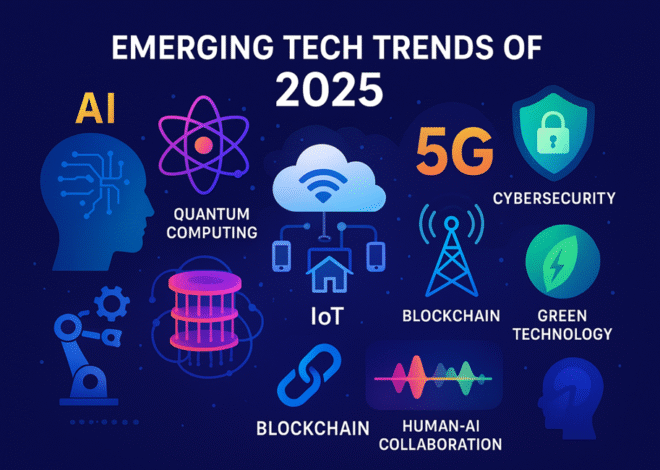
This convergence is a powerful example of the broader emerging tech trends of 2025 we’re tracking, where AI and immersive tech become everyday tools.
The AI Stylist in Your Pocket: Hyper-Personalization is Here
Artificial Intelligence has moved beyond simple recommendations. In 2025, AI stylists are becoming deeply integrated into our shopping experiences, offering a level of personalization that was once the domain of luxury personal shoppers.
How AI is Personalizing Your Wardrobe
- Body-Aware Algorithms: Advanced AI can now analyze a photo or use your phone’s sensors to create a precise 3D model of your body. This allows for incredibly accurate size and fit predictions, drastically reducing returns—a win for both consumers and the environment.
- Style Forecasting: AI doesn’t just follow trends; it helps create your personal micro-trends. By learning from your social media likes, purchase history, and even the weather in your location, these systems curate a unique feed of clothing options that actually fit your life and aesthetic.
- Generative Design: Brands are using AI to generate thousands of unique design patterns and styles, which are then tested in virtual environments before a single thread is spun. This data-driven approach minimizes waste and ensures new collections are aligned with consumer desire.
This level of personalized, automated service is a consumer-facing example of the Agentic Organization work in the AI era, where systems act proactively on the user’s behalf.

Try Before You Buy, Digitally: The AR Fitting Room Revolution
Augmented Reality (AR) is solving one of online shopping’s biggest problems: the uncertainty of fit and look. The virtual fitting room is no longer a gimmick; it’s a mainstream tool.
- Instant Virtual Try-On: Point your phone camera at yourself and see how that jacket, dress, or even pair of sunglasses looks on you in real-time, from the comfort of your home. Major retailers and brands are integrating this technology directly into their apps and websites.
- The End of Returns Anxiety: By allowing consumers to visualize fit and style more accurately, AR is significantly reducing return rates, which can be as high as 40% for online apparel. This is a critical step towards a more sustainable fashion cycle.
- Social Shopping: Imagine sharing a video of yourself “trying on” different digital outfits with friends on social media to get their live feedback before purchasing. This social layer is transforming shopping from a solitary to a communal experience.
Digital-Only Fashion: The Rise of the Metaverse Wardrobe
Why buy a physical garment you’ll only wear once on Instagram? In 2025, the market for digital-only fashion is exploding.
Wearable NFTs and Beyond
Digital fashion items, often represented as NFTs, allow users to dress their online avatars in unique, designer-made pieces for the metaverse, gaming, and social media. This isn’t just for gamers; it’s for anyone with a digital presence.
- Sustainability at its Core: Digital clothing has no physical waste, no water consumption, and no carbon footprint from shipping. It represents a radical, eco-conscious approach to style and self-expression.
- Unlimited Creativity: Designers are freed from the constraints of physics and fabric. They can create garments made of light, data streams, or animated elements, opening up entirely new artistic possibilities.
The concept of owning a unique digital asset will be familiar to readers of our crypto coverage, where the principles of verifiable ownership are foundational.
The Sustainability Imperative: Tech as a Force for Good
Ultimately, the phygital revolution is being driven by a demand for greater sustainability. The fashion industry is one of the world’s largest polluters, and technology offers tangible solutions:
- On-Demand Manufacturing: Using AI to predict demand and 3D printing or automated cutters to produce garments only when an order is placed.
- Supply Chain Transparency: Blockchain technology is being used to trace a garment’s journey from raw material to finished product, ensuring ethical and sustainable practices.
The Seamless Phygital Experience: From Discovery to Wardrobe
The true power of digital phygital fashion lies not in isolated technologies but in their seamless integration into a continuous user journey. We’re moving toward context-aware fashion ecosystems that anticipate needs across physical and digital spaces. Imagine finishing a video call where you admired a colleague’s blazer and simply asking your AI assistant to “find something similar.”
The system would not only identify comparable items but would render them on your body model in real-time using AR, allow you to adjust sleeve lengths through gesture controls, and offer immediate purchase options for both physical delivery and digital versions for your afternoon virtual meeting. This fluid transition from inspiration to acquisition represents the core promise of digital phygital fashion 2025 – eliminating friction while expanding creative possibilities across all dimensions of self-expression.
The Data-Driven Design Loop: Closing the Sustainability Circle
The digital phygital fashion revolution is creating powerful feedback loops that fundamentally transform design processes and enhance sustainability. When brands release digital-only collections, they gather unprecedented data on how items are actually used – which garments are most photographed, how they’re mixed with other pieces, and even how long they’re “worn” in virtual environments. This zero-waste testing ground allows designers to refine physical collections with remarkable precision before producing any physical inventory.
The result is what industry leaders call “right-weight production” – manufacturing exactly what will sell rather than relying on seasonal guesses. This data intimacy enables brands to reduce overproduction by up to 40% while simultaneously increasing customer satisfaction through better-aligned offerings. The environmental impact extends beyond reduced waste to optimized logistics, as AI can predict regional demand patterns to minimize shipping distances and carbon footprints.
The Rise of the Phygital Identity and New Business Models
As consumers maintain parallel wardrobes across physical and digital realms, we’re witnessing the emergence of the “phygital identity” – a continuous personal style expression that transcends environment boundaries. This duality is spawning innovative business models that redefine fashion ownership and access. Subscription services now offer tiered memberships covering both physical garment rotation and digital fashion libraries.
Luxury brands are creating limited edition “phygital pairs” where purchasing a physical item unlocks an enhanced digital counterpart with interactive elements. The resale market has expanded to include digital fashion archives, with particularly coveted virtual pieces appreciating significantly in value. These developments reflect a broader shift toward understanding fashion as a service rather than a possession, with consumers valuing access and experience over outright ownership across both physical and digital domains.
The Technological Backbone: Interoperability and Authentication
The exciting consumer-facing applications of digital phygital fashion depend on less visible but equally crucial technological foundations. Interoperability represents both a challenge and opportunity – the ability for digital garments to move across platforms, from games to social media to emerging metaverse spaces. While technical standards are still evolving, major progress in cross-platform asset recognition is enabling true digital wardrobe portability. Simultaneously, blockchain technology provides the authentication backbone for both physical and digital fashion.
Luxury brands are implementing digital product passports that trace a physical garment’s journey from raw materials to retail while simultaneously verifying the authenticity of connected digital assets. This infrastructure not only combats counterfeiting but creates rich product histories that enhance value and enable new forms of customer engagement through verified ownership across both realms
Looking Ahead: The Intelligent Closet and Beyond
The trajectory of digital phygital fashion points toward increasingly integrated and intelligent systems that will redefine our relationship with clothing itself. The “intelligent closet” of the near future will automatically manage inventory across physical and digital items, suggest complete outfits based on your schedule and preferences, handle cleaning and maintenance for physical pieces, and ensure your digital presentations remain current and coordinated.
We’re already seeing early examples of smart fabrics that can change color or pattern via digital command, blurring the line between physical and digital even further. As these technologies mature, we’ll see the emergence of truly adaptive clothing – garments that can adjust their thermal properties based on weather data or modify their appearance through integrated digital layers. This convergence represents the ultimate expression of digital phygital fashion – not as separate categories but as a unified, responsive system for personal expression and environmental interaction.
Conclusion: The Future of Fashion is a Hybrid Experience
The fashion industry of 2025 is not choosing between digital and physical. It’s embracing both. The future is a seamless hybrid experience where your physical wardrobe is curated by AI, your online avatar wears exclusive digital couture, and you make more confident, sustainable purchases through the power of AR.
The thread connecting it all? Technology that enhances personal expression, reduces environmental impact, and makes fashion more accessible and fun than ever before.
Fascinated by the intersection of technology and everyday life? Let’s explore the future together.
(Discover more trends in our Fashion section and see the tech behind it all in our Tech posts.)