
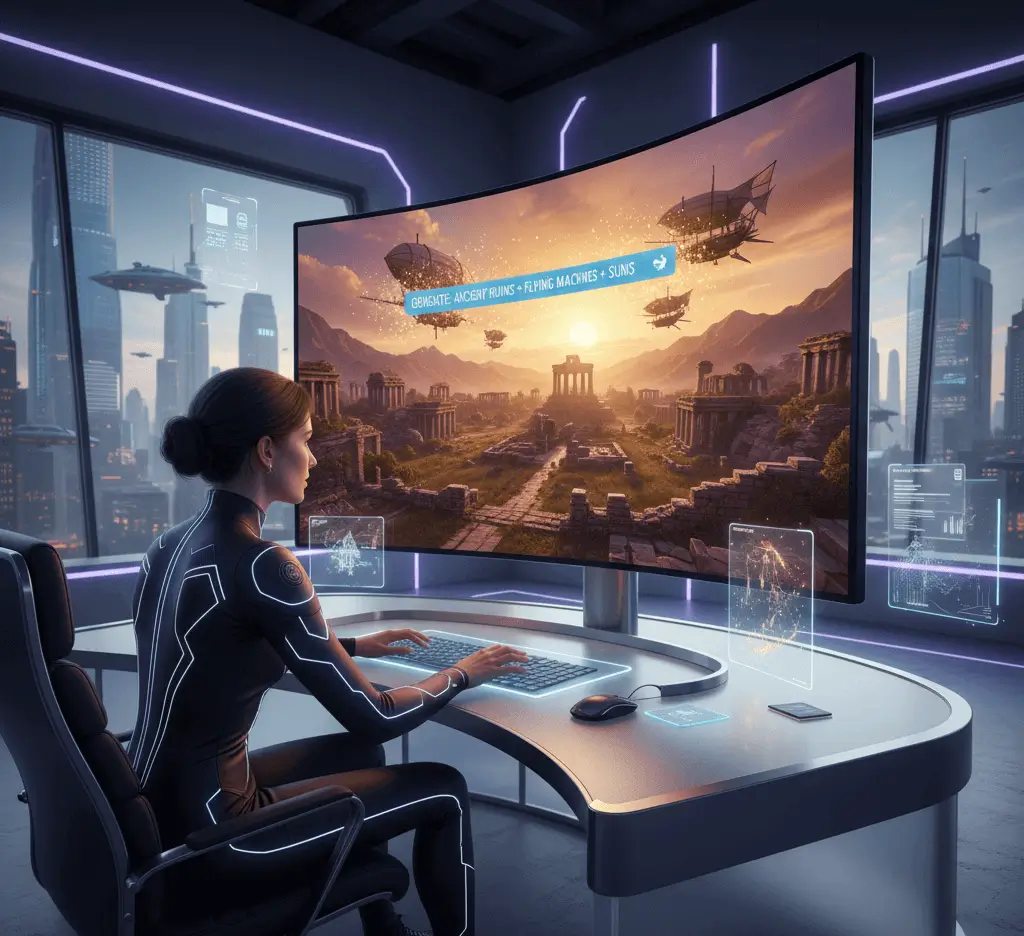
AI Video Generators : Create Stunning Content 10x Faster in 2025
Ultimate guide for Ai Video Generators
The landscape of digital content is undergoing a seismic shift. With a staggering 7,700% growth in search interest over the past five years, “AI Video Generator” isn’t just a buzzword; it’s a technological tsunami reshaping how marketers, creators, and businesses produce video . These tools leverage advanced machine learning algorithms to automate the creation of high-quality video content quickly and efficiently, making professional-grade production accessible to all .
Table of Contents
This movement is part of the broader wave of emerging tech trends of 2025, where AI is moving from an assistant to a core creator. For anyone looking to stay ahead of the curve, understanding this revolution is no longer optional—it’s essential.
Why AI Video Generation is Exploding Now
The convergence of several technological and cultural factors has propelled AI video from a niche experiment to a mainstream tool.
The Unmatched Speed and Efficiency
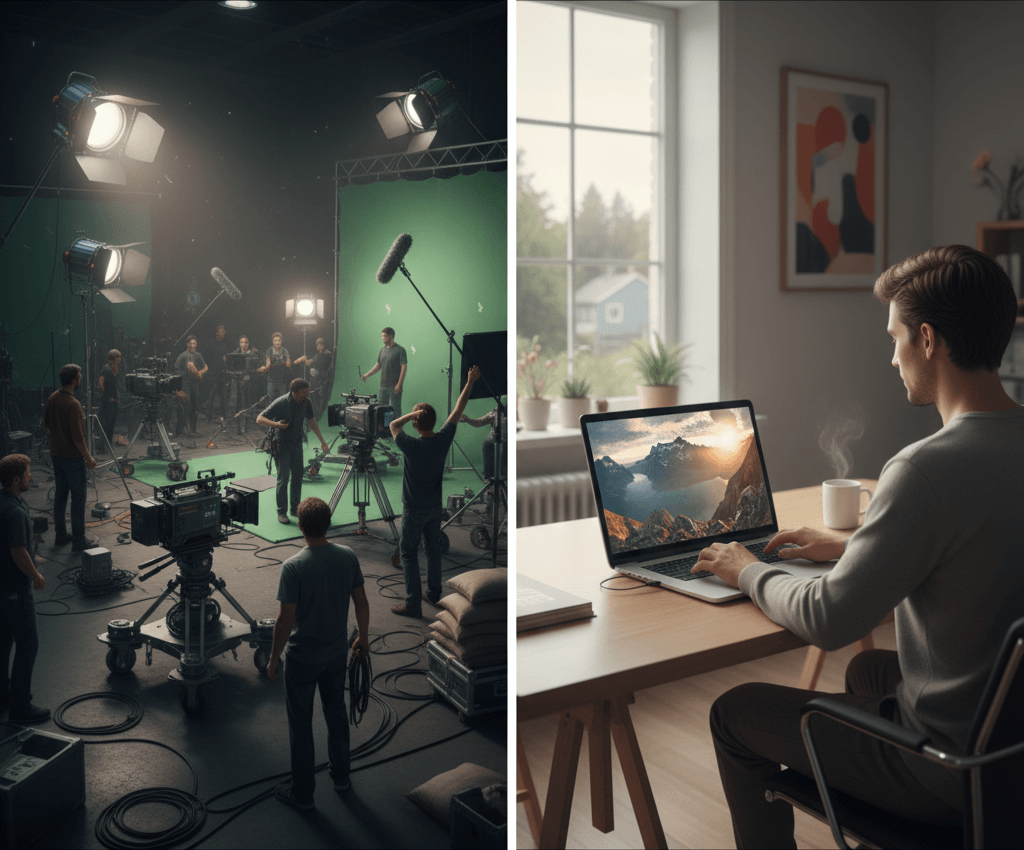
Traditional video production is a marathon involving scripting, filming, editing, and post-production. AI video generators collapse this timeline from weeks to minutes. You can input a text prompt and receive a complete, edited video sequence almost instantly. This speed is crucial in a content environment where agility and relevance are key.
Radical Cost-Effectiveness
By eliminating the need for expensive filming equipment, studios, and large production crews, AI video tools dramatically lower the barrier to entry. This democratization allows small businesses and individual creators to compete with the production value of larger entities, a concept that aligns with the decentralized ethos we see in other tech spheres, like the crypto world.
The Power of Personalization at Scale
Perhaps the most exciting potential lies in hyper-personalization. AI tools can generate thousands of video variations tailored to different audience segments, locations, or even individual user preferences. This moves beyond one-size-fits-all marketing into a new era of individualized content.
Top Use Cases Reshaping Industries in 2025
The application of AI video technology is vast and varied. Here’s how different sectors are leveraging it today.
1. Content Marketing and Social Media
Brands are using AI video generators to produce a constant stream of engaging content for platforms like TikTok, Instagram, and YouTube. From product explainers and testimonials to short, educational clips, AI helps maintain a fresh and active online presence without draining resources.
2. Corporate Training and E-Learning
Companies and educational institutions are rapidly adopting AI video to create standardized training modules. These tools can quickly generate videos in multiple languages or update existing materials with new information, ensuring all learners have access to the most current content. This is a form of workflow automation that is transforming internal operations.
3. Personalized Advertising
Imagine a video ad that addresses you by name, features products you’ve recently browsed, and is set in your local city. AI video generators are making this level of personalization a reality, leading to significantly higher engagement and conversion rates for advertisers.
4. Entertainment and Prototyping
Independent filmmakers are using AI to storyboard concepts and create proof-of-visuals for pitches. Meanwhile, the entertainment industry is experimenting with AI for everything from generating background scenes to creating entire short films, pushing the boundaries of creative expression. For more on how AI is augmenting creativity, explore our thoughts on the Agentic Organization.
A Look at the Leading Edge: What’s Next for Ai Video generators?
The technology is evolving at a breakneck pace. The current trends point toward several exciting developments.
- Hyper-Realism and Longer Coherence: Soon, the tell-tale signs of AI video will disappear. We are moving towards longer, more coherent video sequences with flawless physics and photorealistic quality.
- Emotional Intelligence: Future generators will better understand and replicate human emotion, creating characters and narratives that resonate on a deeper, more emotional level with viewers.
- Integrated Multi-Modal Platforms: Standalone video tools will become features within larger creative suites. Imagine a single platform where you can generate images, audio, and video seamlessly, all from text prompts. This is part of the broader trend of AI Agents taking on more complex, multi-step tasks.
For ongoing analysis of the latest tools and their capabilities, keeping an eye on leading tech publications like TechCrunch.com is invaluable, as they provide timely reviews and industry insights.
Top Ai Video generators
Google Veo
- What it is: A text-to-video and image-to-video AI model developed by Google DeepMind. It’s known for generating high-quality, realistic, and consistent videos.
- Best for: Cinematic and realistic scenes with advanced controls. The latest version, Veo 3, can generate synchronized audio directly from a prompt, eliminating the need for a separate audio track. It understands cinematic language, allowing users to specify camera shots, angles, and lighting.
- Integration: Veo is available for consumer use through platforms like Google AI Studio and is also integrated into Adobe’s Firefly for enterprise customers.
Runway
- What it is: A comprehensive creative suite with a strong focus on AI video generation and editing. Runway is a veteran in the AI video space and offers more than just generation tools.
- Best for: Creators who need a full editing toolkit alongside generation features. It offers a broad suite of tools for video, image, audio, and 3D assets. Key features include object removal, background replacement, and motion brush for controlling movement in a clip.
- Integration: As a complete platform, Runway has its own interface and does not rely on third-party integrations like Adobe.
Sora
- What it is: A leading text-to-video AI model developed by OpenAI. It is known for its ability to generate videos up to a minute long while maintaining high visual quality and a deep understanding of complex prompts and the physical world.
- Best for: Creating highly realistic and complex scenes. Sora excels at simulating the physical world and generating complex scenes with multiple characters and detailed camera movements.
- Integration: Sora was initially developed by OpenAI and is integrated with ChatGPT Plus. While not part of Adobe’s ecosystem, it can be used for storyboarding and creating realistic visual concepts.
Adobe Firefly
- What it is: Adobe’s family of generative AI models, which includes capabilities for video generation. It is fully integrated with the Creative Cloud ecosystem, including Premiere Pro.
- Best for: Commercial and professional use within the Adobe workflow. Firefly is trained on licensed and public domain content, making it commercially safe. It allows users to generate short video clips, create B-roll, animate product shots, and use advanced camera controls.
- Integration: Its primary strength is its seamless integration with other Adobe products, allowing creative professionals to easily incorporate AI-generated clips into their existing projects.
Luma Dream Machine
- What it is: A text-to-video and image-to-video model created by Luma Labs. It’s praised for its speed and ability to generate highly realistic, physically accurate videos with consistent characters and objects.
- Best for: Fast ideation, mood films, and social media posts. The “Dream Machine” model is known for producing high-quality, lifelike videos quickly. It’s often used by creators and social media teams for rapid content generation.
- Integration: Luma Dream Machine is a standalone web platform and is not integrated with a broader creative suite like Adobe.
Benefits:
- AI as a creative partner, not just a tool. Think of it like a new-age film crew. You give the AI a simple text prompt—”a robot and a woman looking at each other in space”—and it provides high-quality, cinematic footage. Instead of getting stuck in the weeds of technical work, you can focus purely on the story you want to tell.
- It knows what looks “good.” Today’s best AI models aren’t just stitching together random clips. They’ve been trained on massive datasets of polished, human-made videos to learn what makes a scene visually compelling. This means the AI can intuitively apply cinematic camera angles, natural lighting, and smooth transitions, making your videos look professionally crafted.
- Video generation with physics. Older AI-generated video often looked strange and unnatural. But newer models are more “physics-aware”. They understand things like gravity, inertia, and how light should realistically bounce off surfaces, which makes movements and objects in the generated videos feel much more believable and less like a floating ghost.
- Audio that’s part of the picture. Some of the most advanced AI video generators now create the audio at the same time they generate the video. This means the sound effects, background music, and dialogue are automatically synchronized and fit the visual mood, creating a seamless and immersive experience. You don’t have to spend extra time hunting for the perfect sound library.
- Multilingual without the headache. What once took a costly and time-consuming localization team can now be done with a single click. Many AI platforms can automatically dub your AI video into dozens of languages while keeping the lip movements of the AI avatar perfectly synchronized. This is a game-changer for expanding your content’s global reach.
- The creative director in your pocket. Need to create a quick social media post or an initial storyboard for a pitch? AI generators can turn a text idea or a single image into a shareable video clip within minutes. You can iterate and experiment with different concepts at a pace that’s simply impossible with traditional production methods.
- Talking heads from a single photo. Not everyone is comfortable in front of a camera, and that’s fine. Some generators can turn a single photo of a person into a lifelike “talking head” AI avatar. This lets you create compelling explainer videos or tutorials using a digital spokesperson, perfect for corporate training or e-learning.
- Automated editing and “magic” touches. For creators who start with their own raw footage, AI can be a powerful co-pilot. Tools can perform automated tasks like cleaning up awkward pauses, removing filler words like “um,” and correcting a video’s color balance with impressive precision. This frees you up to focus on the storytelling instead of tedious editing.
- Interactive “choose your own adventure” stories. Looking ahead, AI is enabling the creation of truly interactive videos. Platforms are developing features that allow the story to branch or change in real time based on a viewer’s choices or behavior. This opens up new possibilities for dynamic training simulations or personalized entertainment.
- Your brand’s personal animator. For businesses, AI video generators can be trained to adhere to a company’s specific brand guidelines. By integrating logos, fonts, and color palettes, the AI ensures every piece of video content—from marketing ads to internal communications—is consistent and on-brand, even when produced at a high volume.
Conclusion: Embrace the Shift
The Ai Video Generators revolution is not about replacing human creativity but about augmenting it. It frees creators from technical constraints and tedious processes, allowing them to focus on what they do best: ideation, strategy, and storytelling. By embracing these tools, content creators and businesses can unlock new levels of productivity, personalization, and creative potential.
The future of video is not just being streamed—it’s being generated.
Ready to dive deeper into the world of transformative technology? We’re always exploring the next big thing.
(For more insights into AI and its applications, check out all our Tech posts.)
